Mary Elizabeth Bourque-Perrino
Mary Perrino is a colorist and cinematographer whose work focuses on bringing a film’s visual ideas together in post-production. In this interview, she talks about color finishing, her creative process, working with filmmakers, and her experience in the film industry.
You’ve worked as both a cinematographer and a colorist. How has shooting films influenced the way you approach color finishing?
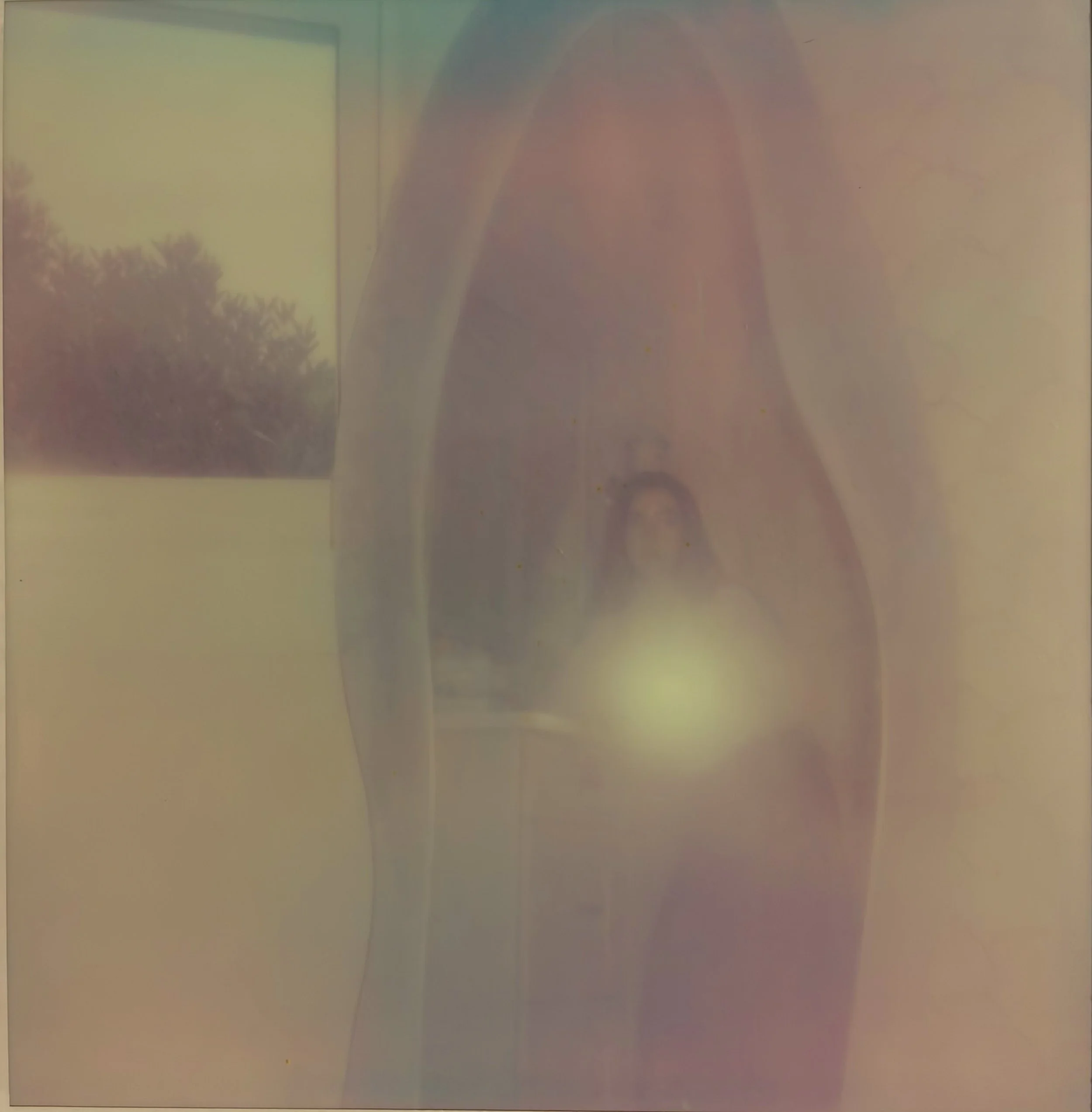
I think while I'm coloring it calls to mind the beauty of nature. When I was shooting more, I was fixated on how natural light interacted with nature and manmade structures. Natural light is still my favorite space to color within. The way colors and shapes interact with sun is unlike anything else.
Color finishing is one of the final creative steps in filmmaking. How do you shape the emotional tone of a film while staying true to what was captured on set?
We look at reference imagery, but in the end, it all comes down to the images captured. What makes them speak? I try out a lot of different looks, and typically, one stands out amongst the rest. Its never the same one project to project. Its a gut feeling, looking at the image and having that "yes" feeling inside. Its hard to explain, but you just know. Thats what makes the images most evocative, not forcing anything that isn't there.
When you first receive a project, what are some of the first things you look for before making any changes to the image?
I scrub through all the footage and try to gauge everything, take it in. I'm not looking for anything in particular say, but try to understand the set of images and start brainstorming. I typically have a few ideas of what I think would work before trying anything on. This step is crucial so that you're not going into a session blind without any thoughts or ideas.
Independent films often come with unique visual and budgetary challenges. How do you use color finishing to elevate a film while staying within those limitations?
You can elevate an image so much, its almost scary. And a bit overwhleming, to undestand how much of an effect you can have, and how to control those possbilities. I try to elevate to the maximum regardless of budget. It really comes down to time; if theres less budget, I try to work more quickly.
How do you approach a director who has a strong visual idea but may not have the technical vocabulary to explain exactly what they want from the grade?
This is very common, and to me, a non-issue. We speak with images- whether that be with visual references I've asked them to pull, or me trying on looks, trying to get that "thats it!" response from the client. I actually quite prefer it over technical terms. Its more feelings based.
Can you tell me about a project where the color grade significantly changed the emotional impact of a scene?
I think the club scene in "Susana" stands out to me. I used certain techniques to make the feeling of the room more surreal, otherworldly, and disorienting. The main character in this scene is finally letting herself get whisked away on a journey's calling. She is no longer resisting. She has passed through a portal of sorts.
How do you decide when a film needs a more noticeable color treatment versus when the grade should feel almost invisible?
What is the image asking for? It always seems to tell me. I'm not sure how. But it lets me know whats right. Sometimes, you add more and its incredible. Sometimes, you add more and its awful. The image will let you know. Becuase the image is the story. I never want any grade, stylized or not, to distract from the film itself. Don't overseason your food... but don't underseason it either. What type of dish are you making? The combinations are endless.
Are there any filmmakers, cinematographers, photographers, painters, or other artists whose use of color has particularly influenced the way you work?
Oh yes... Rohmer, Monet, Mattisse, Sue Fenlon, the Klein blue. Especially the film Picnic at Hanging rock 1975. I think these artists use a mix of vibrant impressionism and surrealism. That seems to be what I'm attracted to and it seems to show up in my work a lot. Theres a dreamlike quality.
What do you think people outside of post-production misunderstand most about the role of a colorist in filmmaking?
I think how technical and difficult the job is. There's a lot that goes into it that people don't see. The softwares and techniques we use are very complex. Handling the process with ease and agility live in front of clients takes a lot more skill than people understand.
With changes in digital cameras, HDR, and post-production technology, how has the color-finishing process changed throughout your career?
So very much. When I started out, things were just starting to democratize. I was among the first wave of truly freelance colorists. Resolve was now availalbe for download, and I could self-teach. I went to a traditional film school as well, but I didn't take any color classes - I was focused on cinematography. Things were a lot simpler then. Folks were just starting to post work to instagram, after they made uploading from your camera roll possible. So all work was still word of mouth - and this is how 90% of my client base still is. I'm a bit old-school now I think. Things have evolved a lot and I love to take atvantage of new tools, but I'm a bit stuck in my ways at times.
Since you have experience on both sides of production and post-production, what do you think cinematographers and directors can do on set that makes the finishing process stronger?
So much. Please stay very aware of your production design... set dressing... wardrobe choices... locations and lighting. Lenses and sensors even. Color can do a lot, but if no pallette is present, what kind of palette can we create? What type of contrast can we create if the lighting is in poor ratios? If I'm to strongly maniupulate lumas and chromas, there has to be something to work with. You can't really ask for a technicolor look if you have low contrast lighting with talent in white on a white wall.
Looking at the film industry today, what advice would you give to young filmmakers who want to build a career in cinematography, color, or post-production?
You have to want it. You have to be ready to work hard. You have to be capable. You have to have an eye. Things are more fast paced than ever, and there is a lot of talent. You have to stand out. Being yourself is the best way to be unique. You have to know how to treat your clients. What you send out will often get reflected back to you. I see a lot of people in the industry who have poor interpersonal skills, and this is as important as your talent and drive. Its about who wants to be around you. Warmth counts.
Thank you to Mary Perrino for sharing her experience and insight with Do You Understand? We hope this conversation gives readers a closer look at the creative work behind color finishing.
Personal statement from Mary Perrino: “NO AI was used in the forming of these answers.”
